The government is banking on major investments in irrigation, water storage and infrastructure to unlock the agricultural potential of Kenya's arid and semi-arid regions, as the country seeks to reduce its dependence on imported food.
For years, communities living in Kenya's arid and semi-arid lands (ASALs) have had to contend with unreliable rainfall, prolonged droughts and the uncertainty of depending on rain-fed agriculture. But the government now wants to change that reality, turning some of the country's driest areas into productive agricultural zones.
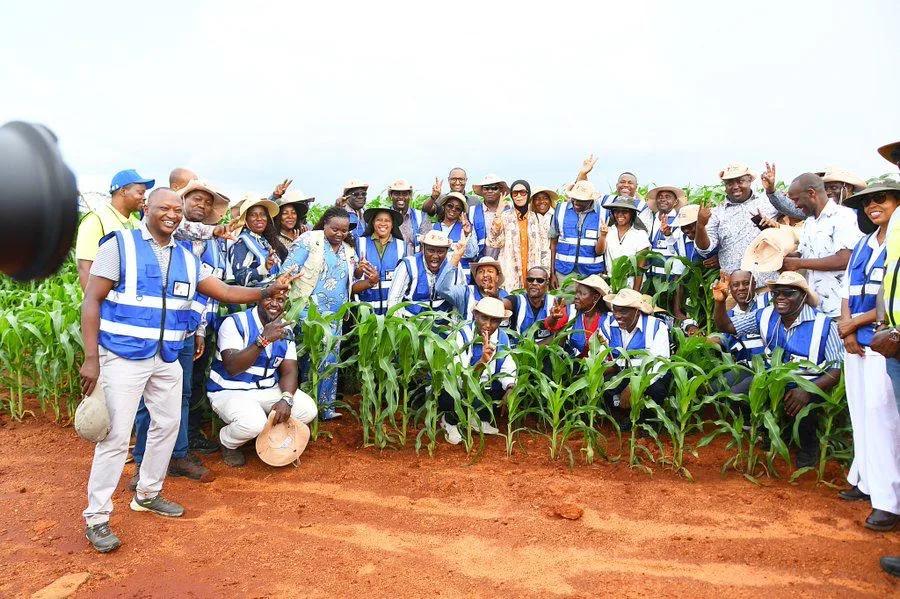
The renewed push was highlighted during a government development tour of the Galana-Kulalu Food Security Project, where Chief of Staff and Head of Public Service Felix Koskei, accompanied by 32 Principal Secretaries and other senior officials, reiterated the government's commitment to expanding irrigation as a way of strengthening national food security.
Koskei said Kenya could no longer afford to depend almost entirely on rainfall to feed its population, particularly as changing weather patterns continue to expose farmers to crop losses and food shortages.
He noted that transforming Galana-Kulalu into a major food production zone would require more than putting land under cultivation. Reliable water supplies, roads, electricity and agro-processing facilities would be equally important in attracting private investors and supporting commercial farming.
The government's broader ambition is to position ASAL counties not merely as regions that depend on food supplies from other parts of the country, but as important contributors to national agricultural production.
Government targets 1.5 million acres under irrigation
Principal Secretary for Irrigation Ephantus Kimani said the government was pursuing an ambitious programme to expand irrigation across the country, targeting 1.5 million acres, with an initial 500,000 acres forming the first phase.
The programme is expected to open up agricultural opportunities in areas where unreliable rainfall has traditionally limited farming activities.
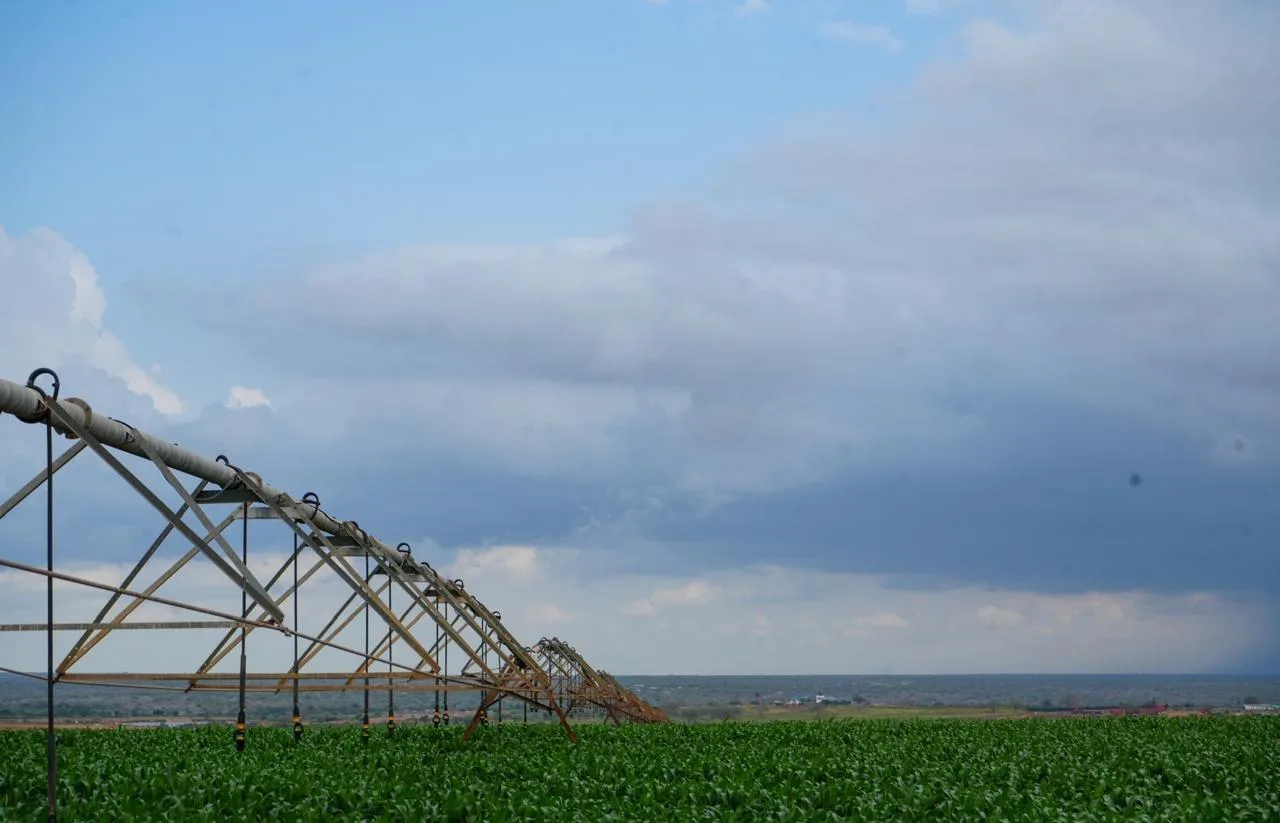
At Galana-Kulalu, approximately KSh520 million has already been invested in water infrastructure, initially making it possible to irrigate 10,000 acres.
Private investors are currently cultivating about 6,000 acres, with commercial maize, seed maize and soya beans among the crops being grown. The remaining 4,000 acres are expected to be brought under cultivation in the next production season.